
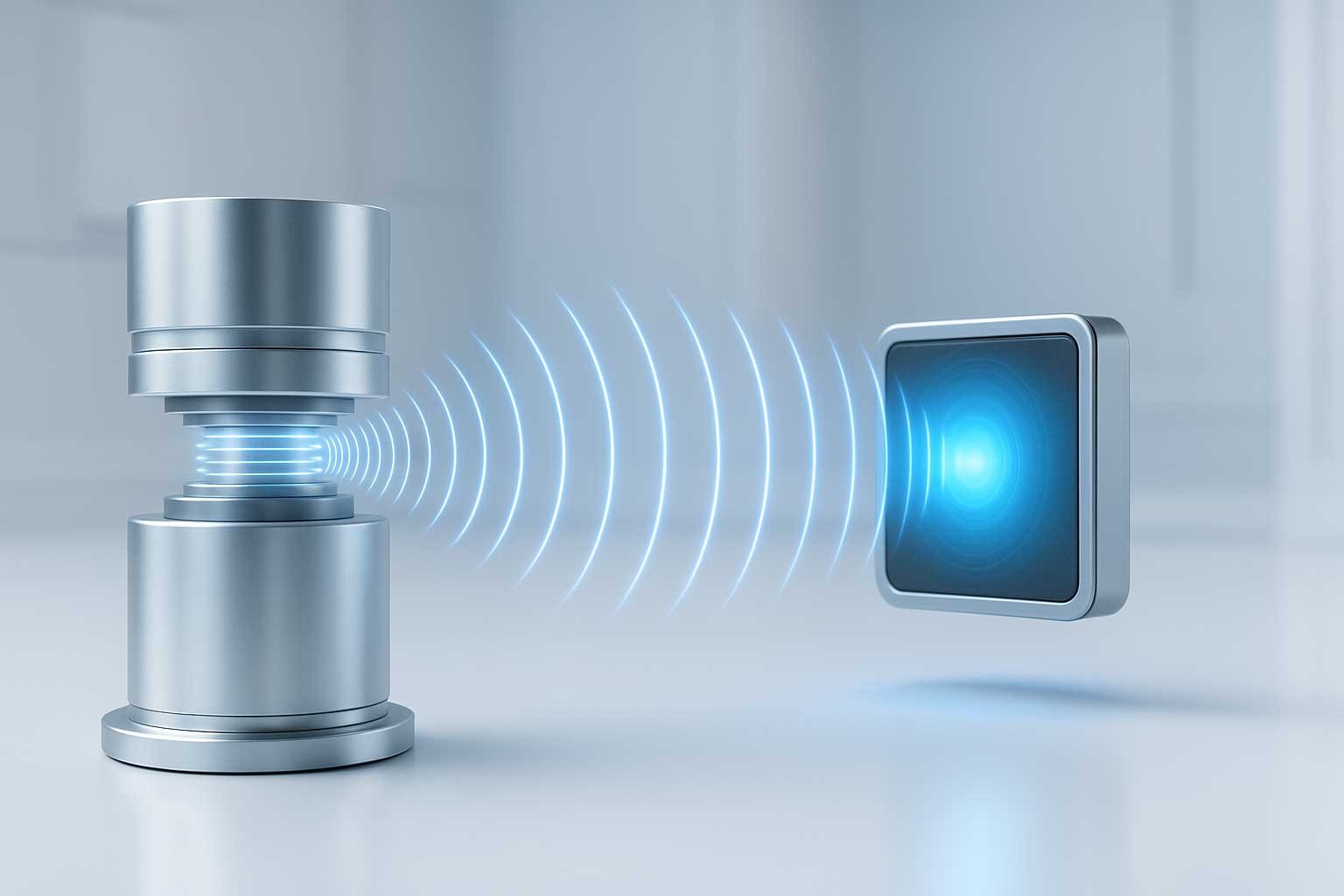
Ultrasonic Wireless Power: How Sound Waves Can Deliver Electricity
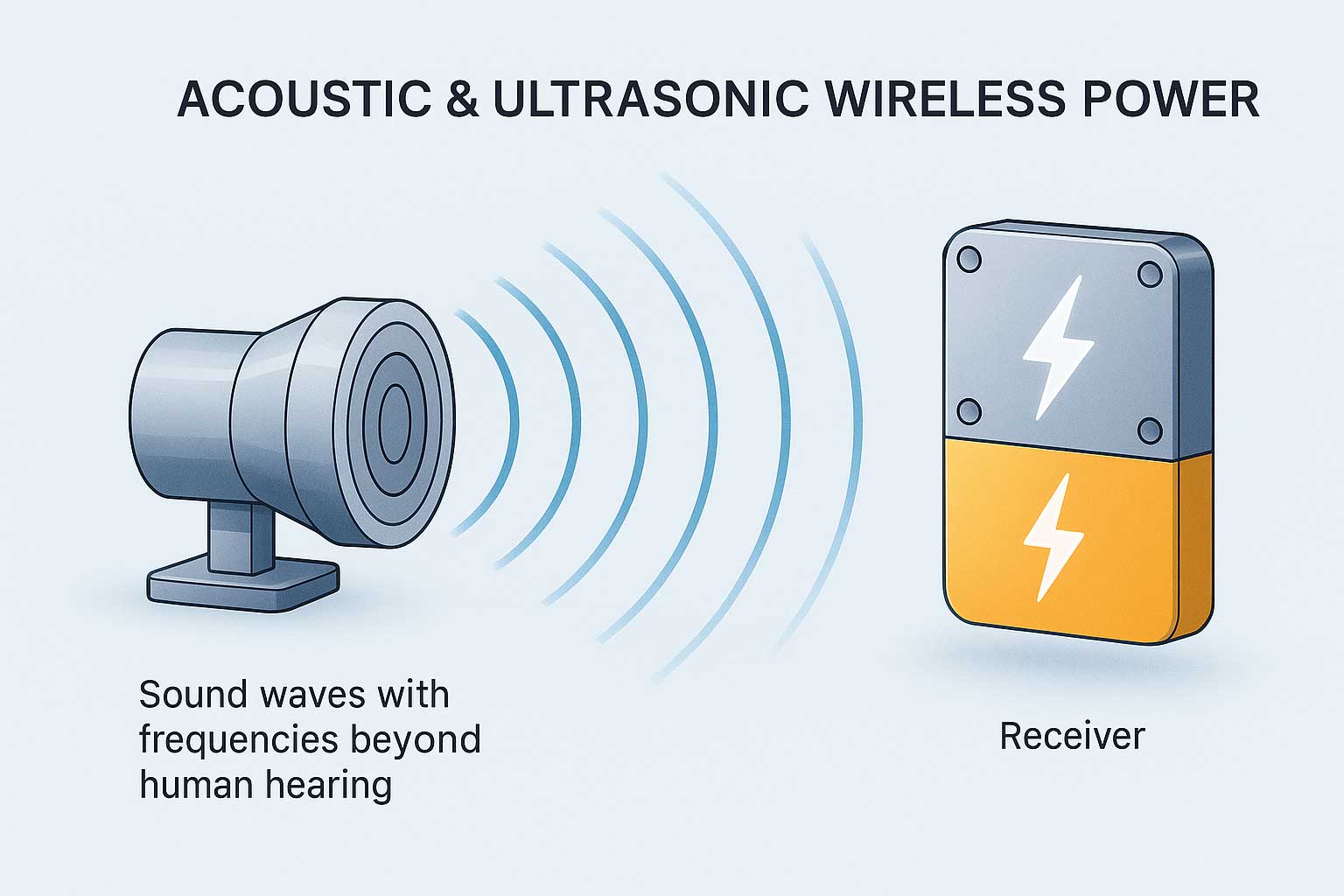
Most wireless electricity systems rely on magnetic fields, radio waves or light. Ultrasonic power takes a different path entirely. Instead of using part of the electromagnetic spectrum, it uses mechanical vibrations — sound waves at frequencies far above human hearing. These waves travel through air, solids or liquids and carry energy that a receiver can convert back into electricity. The idea sounds unusual, but the engineering behind it is surprisingly practical for certain environments.
Ultrasonic wireless power isn’t trying to compete with long-range RF or high-energy laser systems. It fills a distinct niche: delivering modest amounts of power safely through materials that block electromagnetic fields or where radio interference would be a problem.
How Ultrasonic Power Transfer Works
An ultrasonic system includes two main components: a transmitter that produces tightly focused sound waves, and a receiver equipped with a piezoelectric material. When the sound waves hit the receiver, the material vibrates, generating a small electrical charge. Power electronics smooth that charge into usable electricity.
The key is resonance. When the transmitter and receiver are tuned to the same ultrasonic frequency, the vibrations align and energy transfer becomes more efficient. In this way, ultrasonic power operates on a principle similar to magnetic resonance but uses mechanical energy instead of electromagnetic fields.
Where Ultrasonic Power Excels
Ultrasonic systems can operate in places where other wireless power methods struggle. Because the waves are mechanical, they can pass through materials like metal, water or certain biological tissues more easily than RF or magnetic fields. This makes them useful in settings where sealed enclosures or submerged devices need power.
Typical strengths include:
- safe operation near sensitive electronics
- ability to pass through barriers without cutting or drilling
- low interference with existing communication systems
- compatibility with underwater or high-moisture environments
The trade-off is power level: ultrasonic systems deliver modest wattage, ideal for sensors but not for high-demand devices.
Industrial and Structural Monitoring
Many ultrasonic wireless power systems are designed for sensors embedded in hard-to-access locations. Structural health monitoring devices inside bridges, storage tanks, pipelines and machinery often need power but are sealed within walls or metal housings.
Ultrasonic transmitters can send energy through these barriers without physical connectors, letting sensors operate for long periods without battery replacements or invasive maintenance.
Medical and Bio-Integrated Devices
Inside the human body, electromagnetic fields are not always ideal for powering implants. Ultrasonic waves offer an alternative because they can travel through soft tissue efficiently. Researchers are exploring ways to power implanted sensors, drug-delivery systems and micro-scale medical devices using ultrasonic links.
The energy levels are small, but for devices that only need intermittent power, ultrasonic systems may reduce or eliminate the need for surgical battery replacements.
Underwater and Marine Systems
Water weakens many forms of wireless electricity, especially radio waves. Ultrasonic power avoids that limitation, making it suitable for underwater sensors, robotic equipment and monitoring instruments.
Ports, offshore platforms and research environments use a growing number of acoustic systems to transmit both data and energy underwater. These devices can remain sealed and corrosion-resistant because no electrical contacts are exposed.
Limitations and Practical Constraints
Ultrasonic power is not intended for long distances or high wattage. Energy transfer efficiency drops quickly with distance, and the systems must follow strict safety limits for sound intensity. They also require clear paths between the transmitter and receiver; obstacles that absorb or reflect sound can disrupt performance.
For these reasons, ultrasonic wireless power is most effective in controlled environments where transmitter and receiver positions are known and stable.
How It Fits Into the Wireless Electricity Landscape
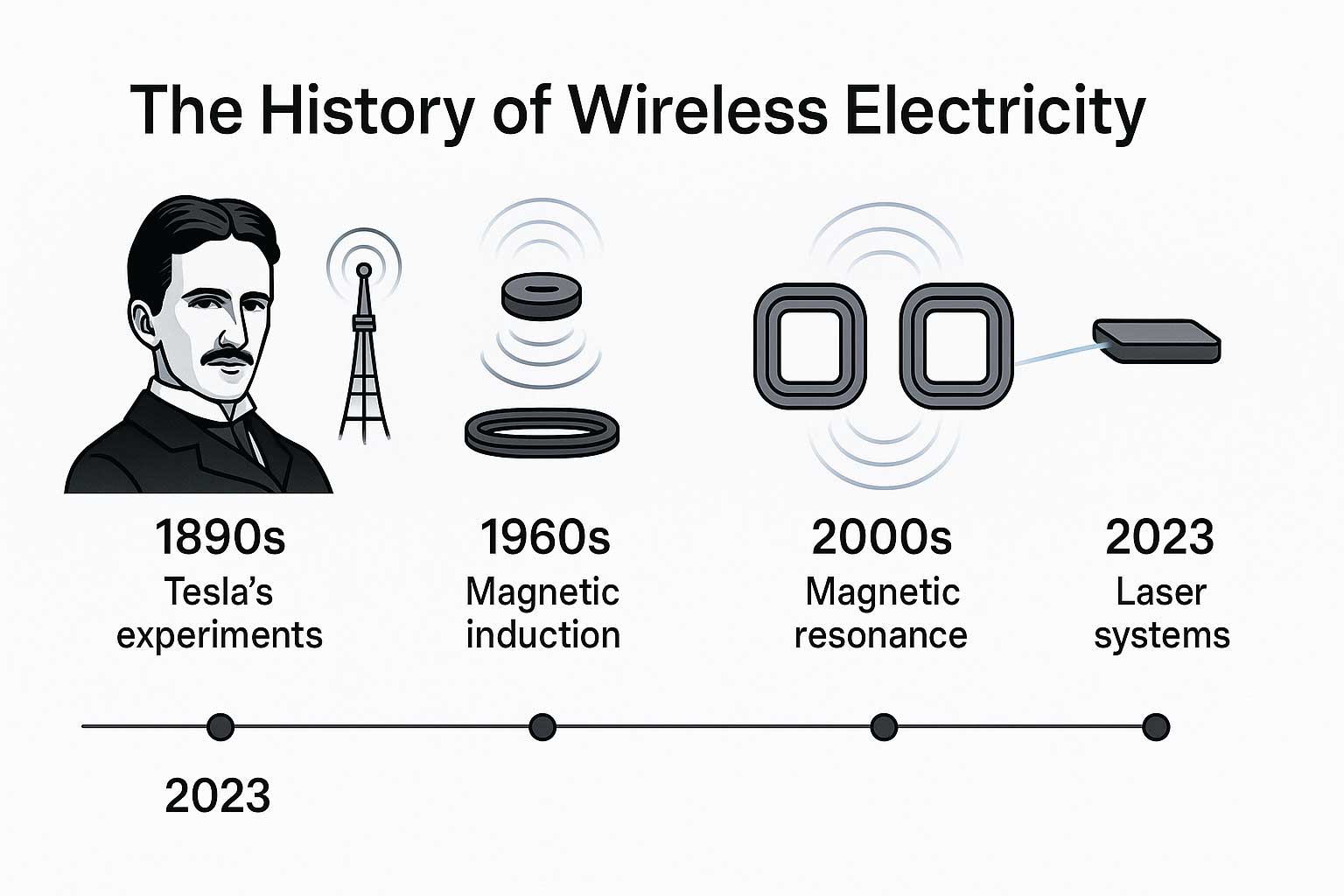
Ultrasonic power is one of several specialised methods that expand the reach of wireless electricity into places where electromagnetic systems struggle. It doesn’t replace inductive pads, magnetic resonance or RF links — it complements them.
The method works best when devices are sealed, submerged or enclosed inside materials that would block or weaken other forms of wireless energy. In these cases, sound waves become a clean, targeted way to keep sensors running without direct electrical contact.
The Bottom Line
Ultrasonic wireless power uses high-frequency sound waves to deliver modest amounts of electricity through air, water or solid barriers. It solves problems that magnetic and RF systems can’t — powering sensors and devices inside sealed structures, underwater environments or the human body. While it’s not meant for high-power applications, it fills an important role in the growing ecosystem of wireless energy technologies.

Leave A Comment