
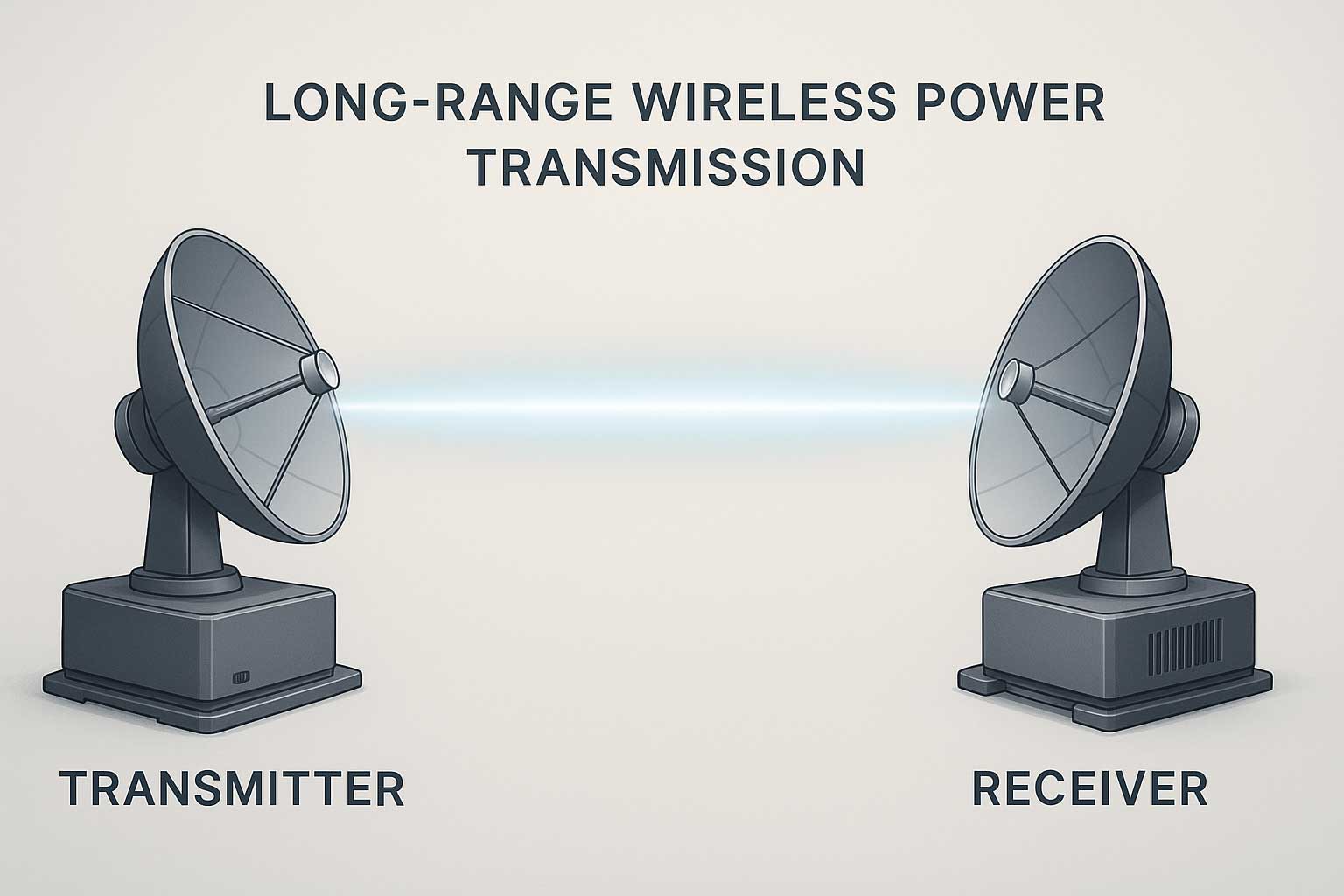
How Wireless Electricity Works: A Clear, Simple Explanation of the Science
Wireless electricity can sound mysterious if you only hear the phrase and not the physics behind it. Power that moves without a wire feels almost magical at first glance, yet every part of it sits on familiar scientific ground. No new laws of nature are needed. The tools are waves, fields, coils, light and well-understood materials. The trick is learning how to make those pieces behave exactly the way engineers want.
Understanding wireless electricity doesn’t require a physics degree. It just requires looking at how energy chooses to travel when it’s not confined to a copper cable.
The Basic Idea: Energy Riding on Fields and Waves
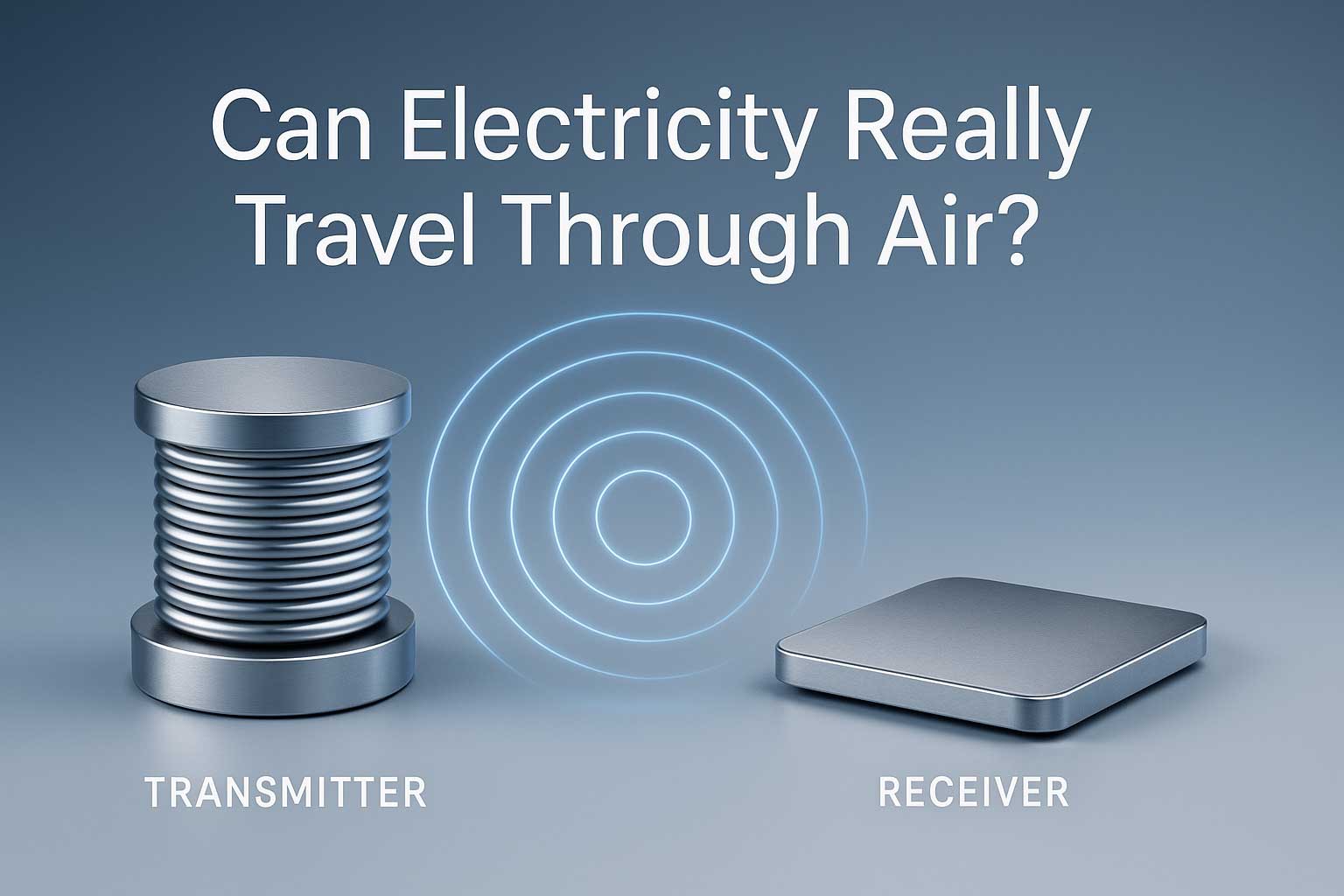
Electricity doesn’t have to move through metal. It can also ride on invisible fields that surround a moving current or on waves that spread outward through air or space.
Think of it this way:
- A wire guides electricity the way a hose guides water.
- A wireless method sends energy outward like heat, radio or light — but in a controlled, collected way.
Instead of forcing electrons down a narrow path, wireless systems let the energy move freely and then capture it on the other side.
That capture step is important. A wireless link only works when the receiving side is designed to “catch” the right kind of field or wave.
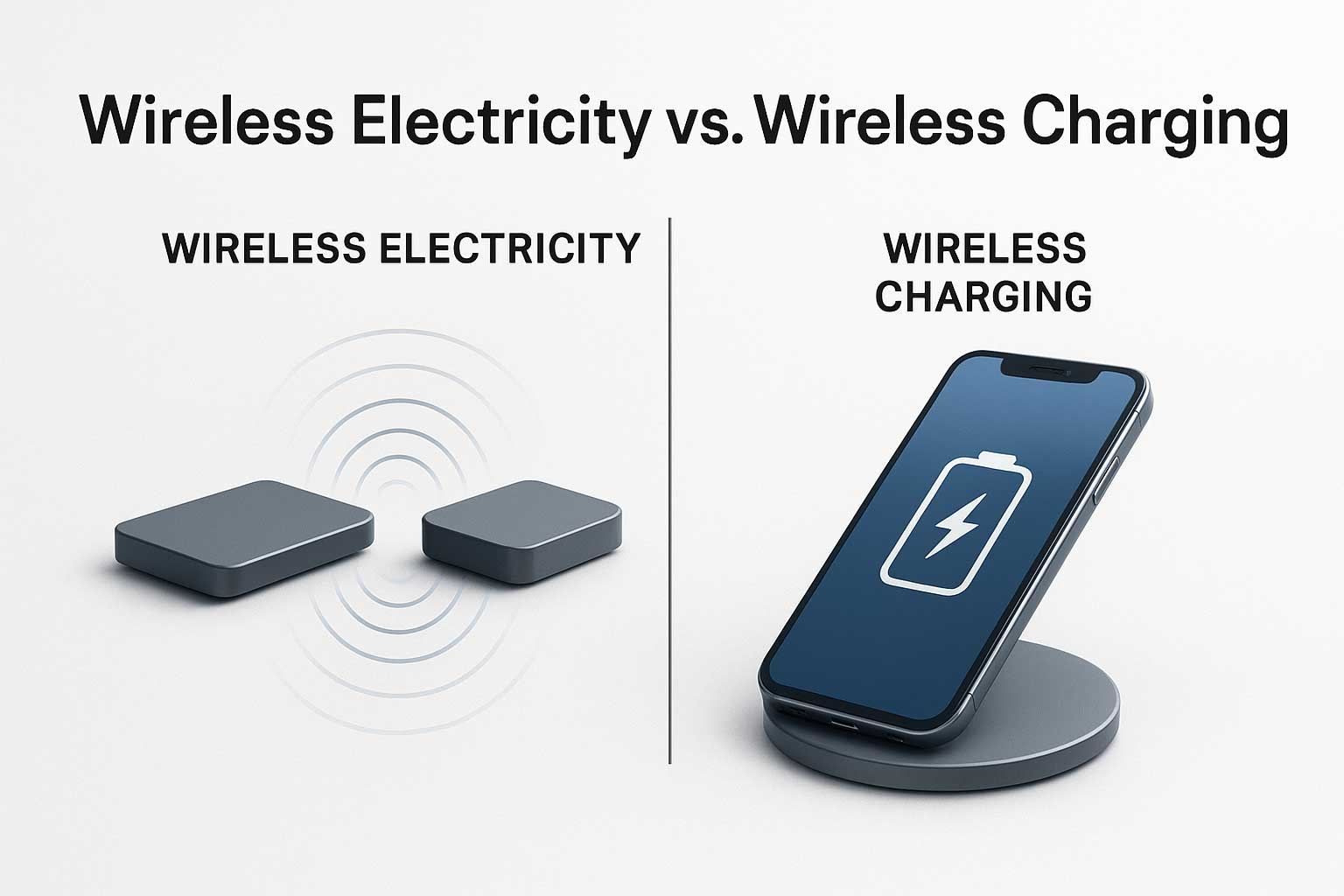
Method 1: Magnetic Fields (Very Short Range)
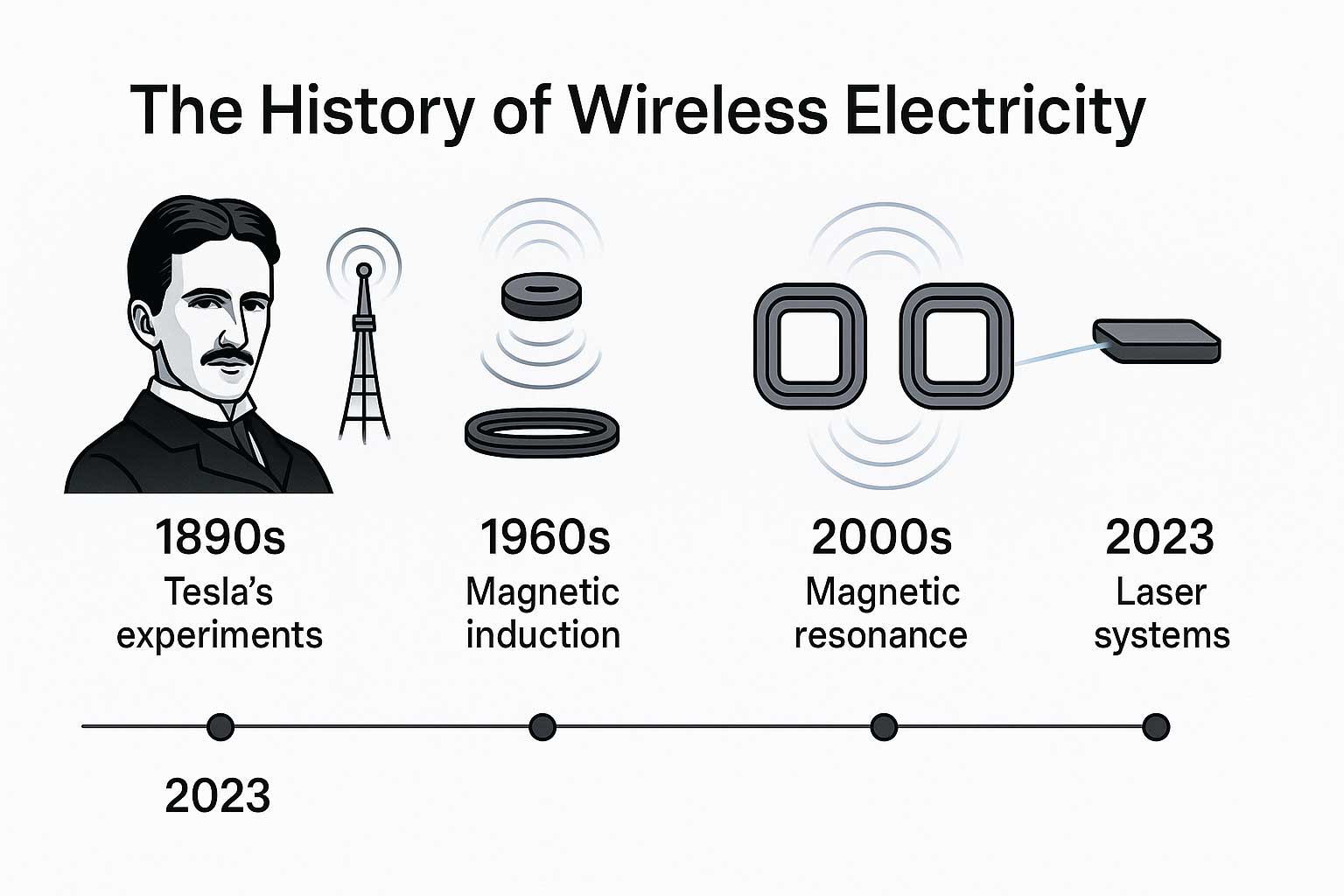
This is the same principle used in transformers — two coils of wire sharing energy through a changing magnetic field.
When a coil is powered, the magnetic field around it expands and collapses rapidly. A second coil nearby can pick up that motion and turn it back into electricity.
You see this in:
- Phone charging pads
- Electric toothbrushes
- Industrial tools that sit on sealed docks
Short-range magnetic systems are efficient and predictable, but the distance is tiny — usually a few millimetres. Move away too far and the field weakens quickly.
Method 2: Resonant Magnetic Systems (Short to Mid-Range)
By tuning coils so they resonate at the same frequency, engineers can stretch the distance a bit and be less strict about alignment.
This approach is being tested for:
- Electric vehicles parking over charging pads
- Warehouse robots
- Smart furniture with built-in charging zones
It still isn’t long-range power, but it covers practical distances without physical contact.
Method 3: Radio Waves (Low-Power, Longer Reach)
Radio waves already fill the air carrying information. They can also carry energy.
When a transmitter sends out radio-frequency power, nearby antennas can collect a small portion and convert it into electricity using rectifier circuits.
This works best for low-power electronics such as:
- Sensors
- Location trackers
- IoT devices
The benefit is reach. RF power can travel several metres. The trade-off is power level — you won’t charge a laptop with it anytime soon.
Method 4: Light Beams and Lasers (Targeted, High Isolation)
Light is energy. A focused beam can deliver that energy with precision.
Engineers convert electricity into a controlled laser beam or high-power LED beam. A photovoltaic receiver — similar to a tiny solar panel — catches the light and turns it back into electricity.
This method is ideal when:
- The equipment must be electrically isolated
- The environment is hazardous
- The receiver is far away but in clear line of sight
If the beam is blocked, the power stops. Because of safety concerns, systems include automatic shutoff if anything crosses the path.
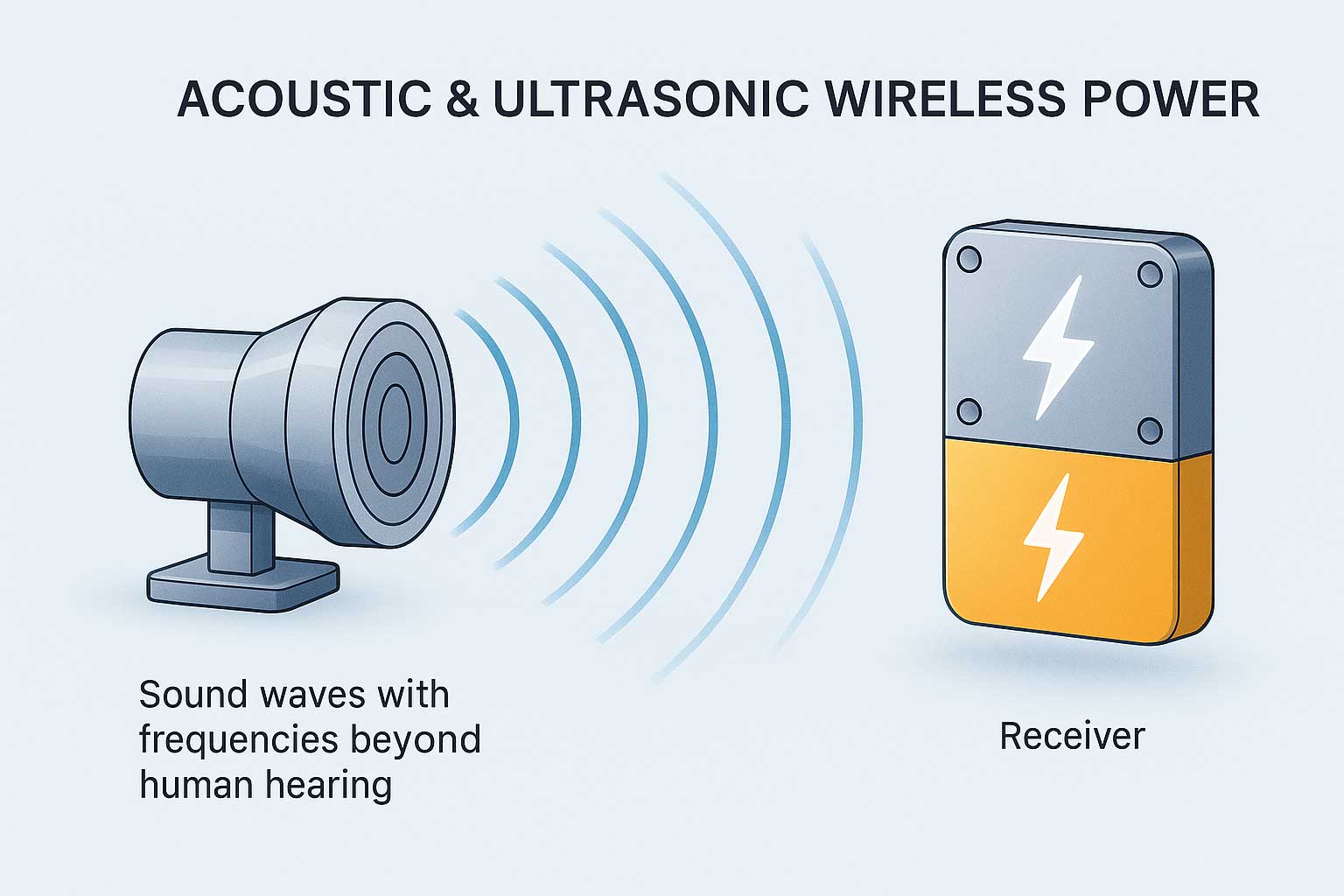
Method 5: Acoustic or Ultrasonic Paths (Experimental)
Some research explores the idea of shaping electricity’s path using sound waves. Others use ultrasonic vibrations to carry energy through a material or air, then convert the vibration back into electricity using piezoelectric components.
This is early-stage work, but the idea is appealing: power that can follow flexible, steerable paths defined by pressure waves rather than wires.
Why Distance Matters So Much
In every wireless method, distance is the main limiting factor. Fields disperse, waves weaken and safety limits restrict how strong the transmitting power can be. Copper wires avoid this problem by confining electrons to a solid channel, letting power move with minimal loss.
Wireless systems must fight nature’s tendency to spread energy out.
This is why most everyday wireless power is close-range, and long-range systems tend to deliver modest amounts of energy.
Where Wireless Electricity Works Best Today
If you want to picture the future of wireless electricity, don’t imagine a city without power lines. Instead, think of dozens of small, specific tasks that benefit from losing the wire:
- Devices that stay sealed from water and dust
- Sensors that should never need battery replacements
- Robots and drones that top up automatically
- Medical devices that aren’t tethered by ports
- Instruments sitting in hazardous or electrically noisy environments
These are the places where wireless power already makes sense — and where it’s growing quickly.
The Real Benefit: Freedom of Design
Once engineers aren’t forced to include a charging port or cable access, entire categories of products can change shape and behaviour. Wireless power allows devices to be thinner, cleaner, safer and, in some cases, completely sealed from the environment.
It’s the same shift that happened when phones lost their physical keyboards. Remove a constraint and creativity expands.
The Bottom Line
Wireless electricity is not a replacement for the grid — at least not yet — but it is a steady, meaningful step toward a world where certain devices and systems no longer rely on copper cords.
It combines familiar physics with new engineering, giving us power that can be delivered through fields, waves and beams instead of plugs and outlets.
It’s not magic. It’s simply electricity with more room to move.

Leave A Comment