
What Is Inductive Wireless Charging? A Clear, Simple Breakdown
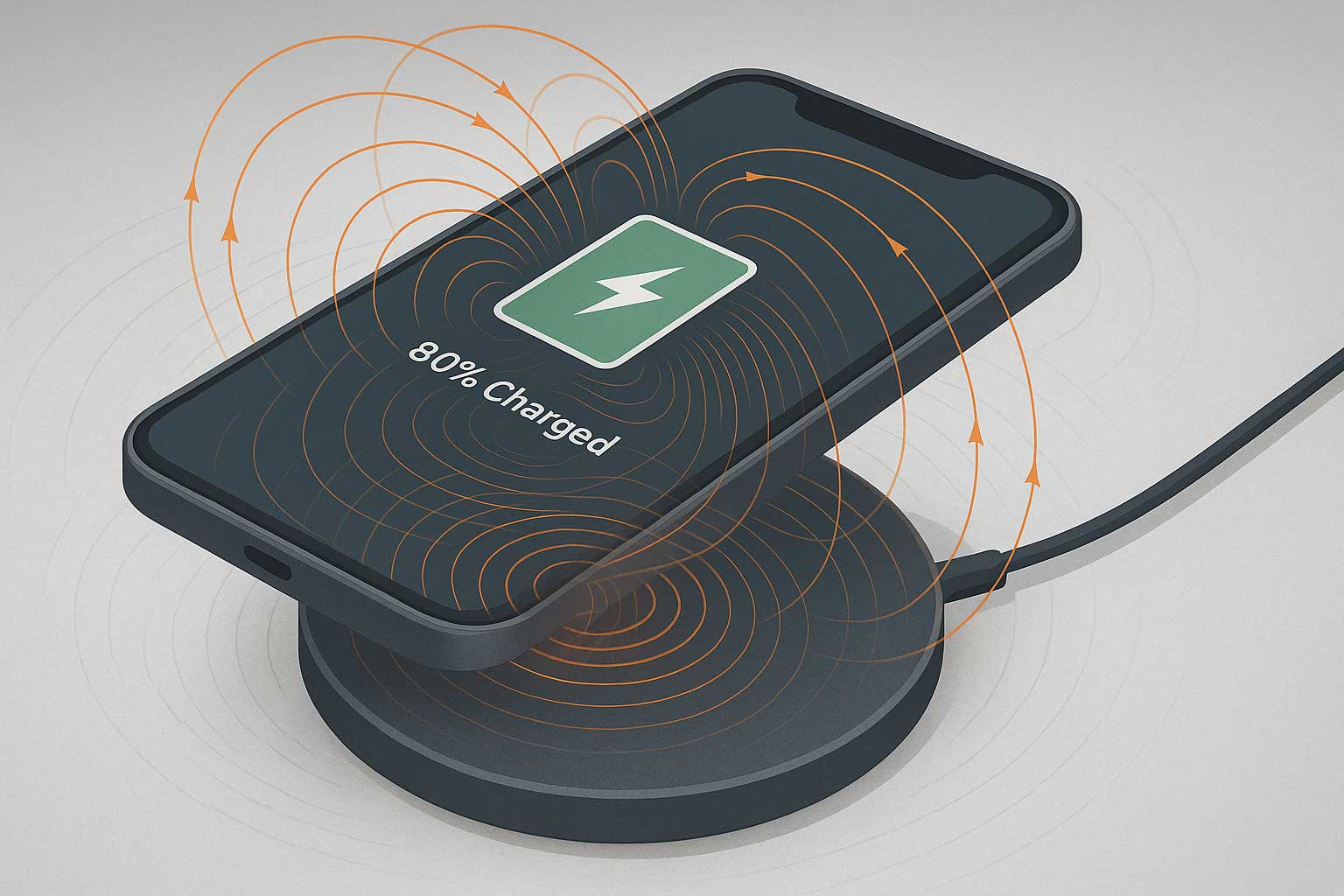
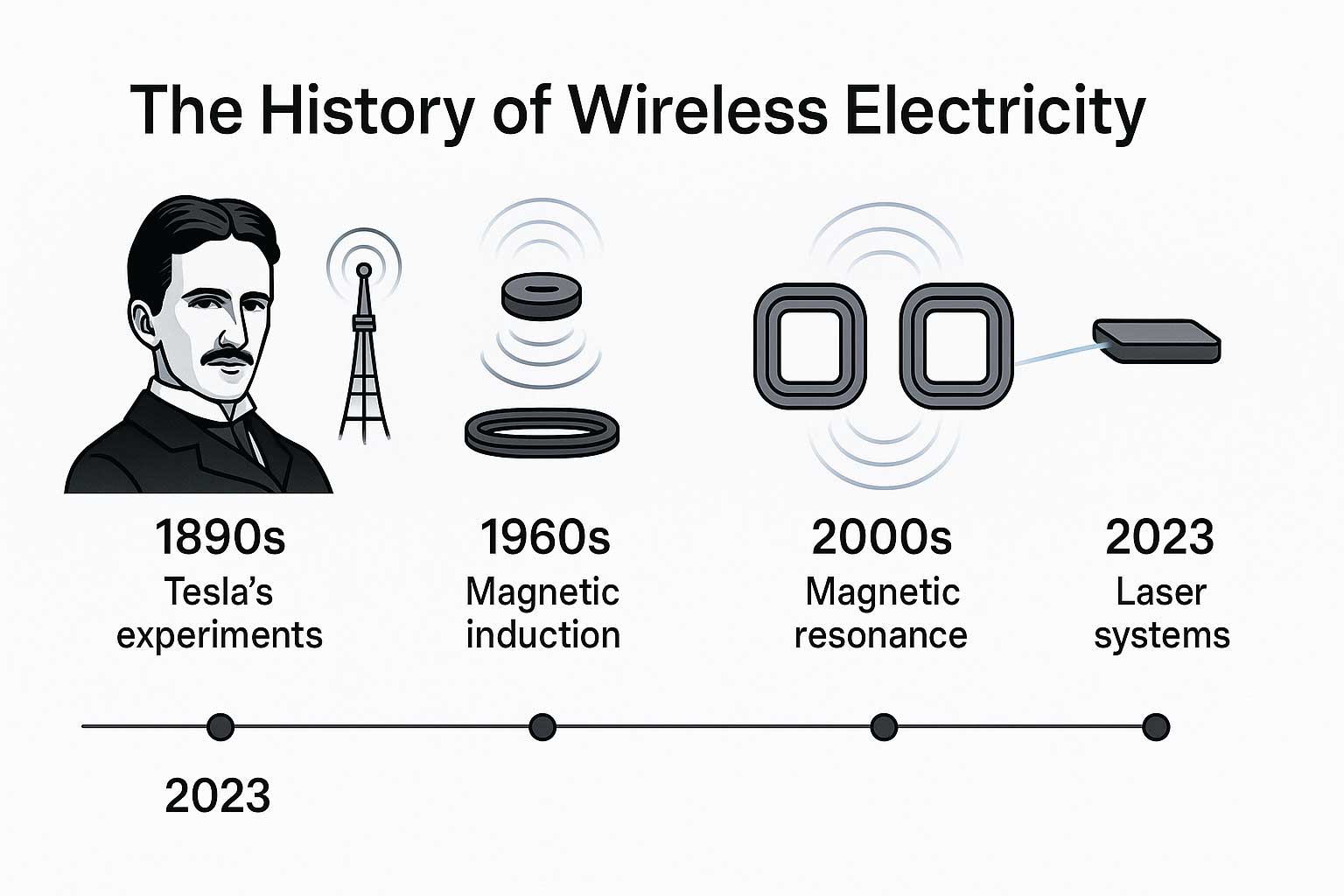
Inductive wireless charging is the most familiar form of wireless electricity today. It powers everything from phones and smartwatches to electric toothbrushes and small medical devices. Even though the method feels modern, it follows a straightforward principle: energy can move between two coils of wire using a changing magnetic field. When the system is designed well, the transfer is stable, safe and efficient at very short distances.
Induction doesn’t aim for range or dramatic power delivery. Instead, it focuses on reliability. That’s why it’s become the standard for day-to-day consumer charging. The approach is rooted in basic electromagnetic behavior, which engineers have refined over decades to make it practical for millions of devices.
How Induction Actually Works
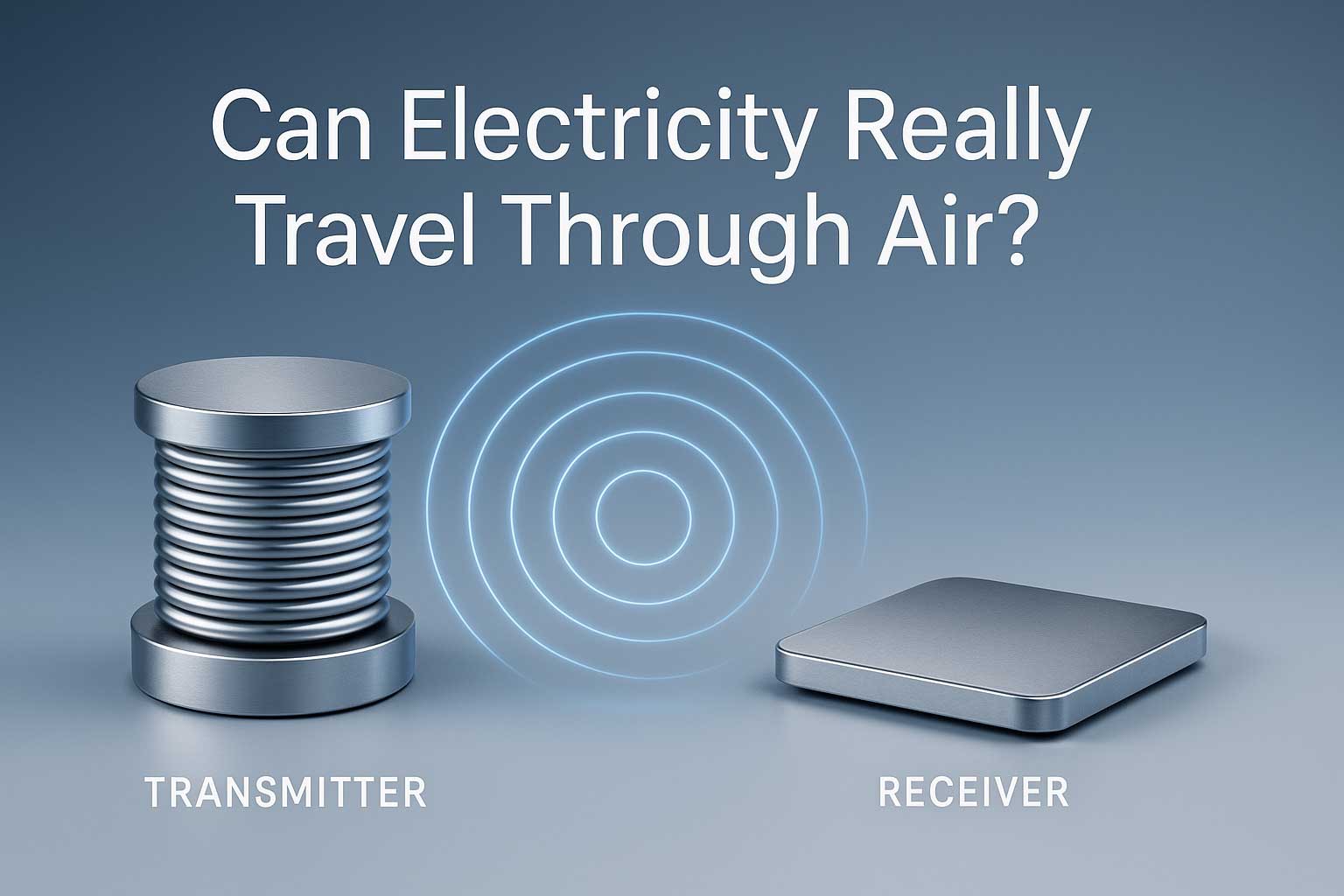
Everything begins with two coils: a transmitting coil inside the charging pad and a receiving coil inside the device. When current flows through the transmitter, it creates a magnetic field that expands and collapses as the current oscillates. The receiver coil sits close enough to that field to pick up the changing magnetism and convert it back into electricity.
The key detail is proximity. Because magnetic fields fade quickly with distance, inductive charging works best when the coils are almost touching. This is why phones need to be placed directly on the pad, and why toothbrush chargers have tight-fitting docks.
Why It’s So Widely Used
Inductive charging became popular not because it’s the most advanced form of wireless electricity, but because it solves everyday problems cleanly. It removes exposed metal contacts, reduces cable wear and keeps moisture out of sensitive electronics. For small devices that stay in predictable positions, it’s a simple and dependable solution.
Manufacturers also favor it because the technology is stable, well understood and easy to certify for safety. It’s consistent enough that standards bodies have been able to define interoperable systems across brands.
The Role of the Qi Standard
Many consumer products use the Qi standard, which ensures that chargers and devices from different manufacturers work together. Qi defines how coils should be arranged, how much power can be transferred and how the system negotiates charging levels.
This standardization is one reason inductive charging spread so quickly. Instead of proprietary designs, companies can build on a shared framework that guarantees compatibility.
Efficiency and Limitations
Short-range systems like induction can be highly efficient, but only when the coils are aligned well and kept close together. Even a small gap or shift can reduce performance. That’s the trade-off: inductive charging is dependable, but not flexible.
It isn’t designed for powering devices at a distance or delivering energy to moving equipment. Those jobs fall to other technologies such as magnetic resonance, RF harvesting or laser-based systems.
Where Inductive Charging Fits Into the Bigger Picture
Induction is one piece of the wireless electricity landscape, filling the niche where controlled placement and close contact are acceptable. It handles the “everyday” side of the field — the phones on nightstands, the kitchen appliances without ports, the sealed medical tools that need safe recharging.
As wireless electricity expands into new environments and applications, induction remains the reliable anchor that shows how well short-range power can work when the setup is simple and the requirements are predictable.
The Bottom Line
Inductive wireless charging is the most established, widely adopted form of wireless electricity. It transfers power through tightly coupled coils and works best at very close range. While it doesn’t aim for distance or high output, its simplicity and reliability make it a central part of modern electronics — and a foundation for the more flexible systems emerging today.

Leave A Comment